
One Meter from the Finish Line
In sports, one meter can change everything. A missed jump, a wide turn, a second late... and the race is already over. Athletes know it well: victory is often played, and lost, in that very last meter.
It's the same in life. There's a victory we strive for every day: a little peace, a job that holds up, solid relationships, the strength to move forward. Sometimes it takes very little... yet that "meter" always seems missing. When reaching the finish line seems impossible, a new perspective can emerge from the very struggle: that of faith.
Faith, understood as trust in the Gospel of Jesus, doesn't ask you to overcome your limits, but invites you to resume your journey with serenity. Transform the missing distance not into an obstacle, but into an opportunity to begin again with a new peace.
In these pages, you'll find ideas and paths that can transform that missing meter into a new possibility.
Sports and participation
There will be 116 medals in 16 disciplines.
Approximately 2,900 athletes from 90 countries are expected.
Ski mountaineering will make its Olympic debut.
Important Dates & Overview
Important Dates
Games Period: February 6–22, 2026.
First Competition (Pre-Games):
February 4, 2026 — Start of the mixed doubles curling round-robin.
Opening Ceremony: February 6, 2026 (Milan).
First Medals Awarded: February 7, 2026 — First Finals (Men's Downhill & Snowboard Big Air).
Bustest Day: February 21, 2026 — Approximately 10 finals, figure skating gala.
Final Day & Closing Ceremony: February 22, 2026 — Finals for Men's Hockey, Women's Curling, 50km Cross-Country Skiing, and Four-Man Bobsleigh, Ceremony at the Verona Arena.
...not to be missed
February 7: First medals of the Games
February 10: Mixed doubles curling finals + key events in alpine skiing, biathlon, cross-country skiing, figure skating, and freestyle
February 21: Biggest final day (approximately 10 medals); figure skating gala
February 22 (Final Day):
Women's curling final
Men's hockey final
Cross-country skiing: Women's 50 km classic technique (historical)
Four-man bobsleigh — final heats
Closing Ceremony at the Verona Arena
Testimonials
Olympic Athletes
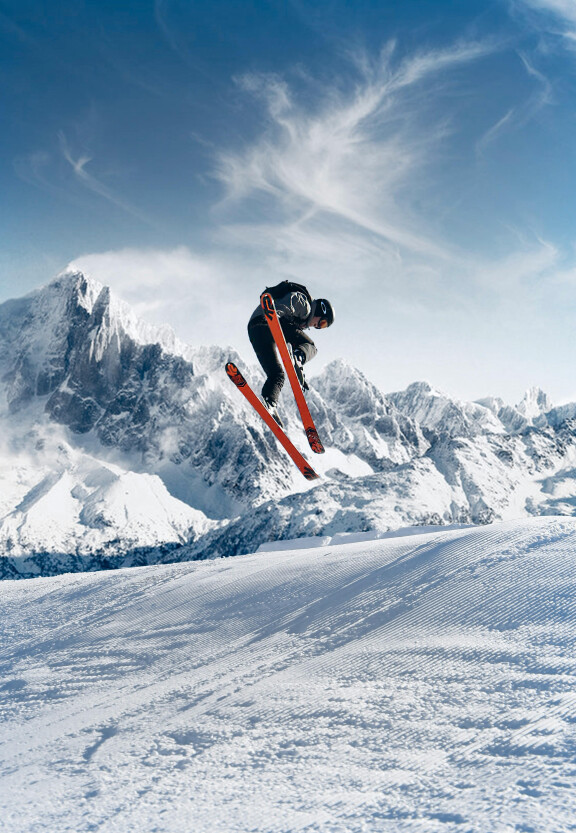
Are there Christian athletes participating in the Winter Games?
Yes, many Christian athletes have participated in the Winter Games, and their faith is often an integral part of their public identity. Notable examples include U.S. hockey players Gigi Marvin and Nicole Hensley, bobsledder Elana Meyers Taylor, and Canadian hockey player Eric Staal, all of whom have spoken out about their Christian faith.
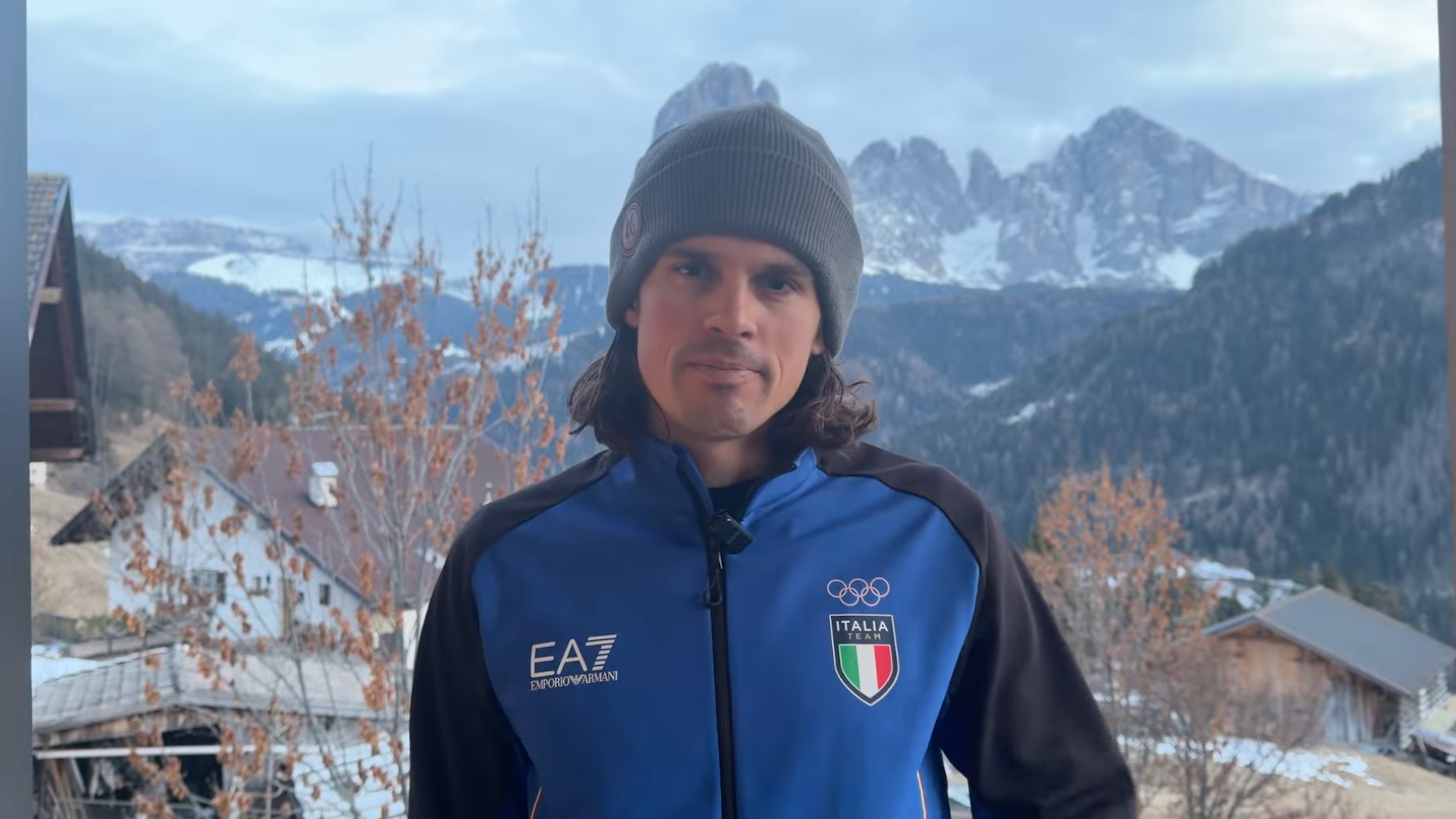
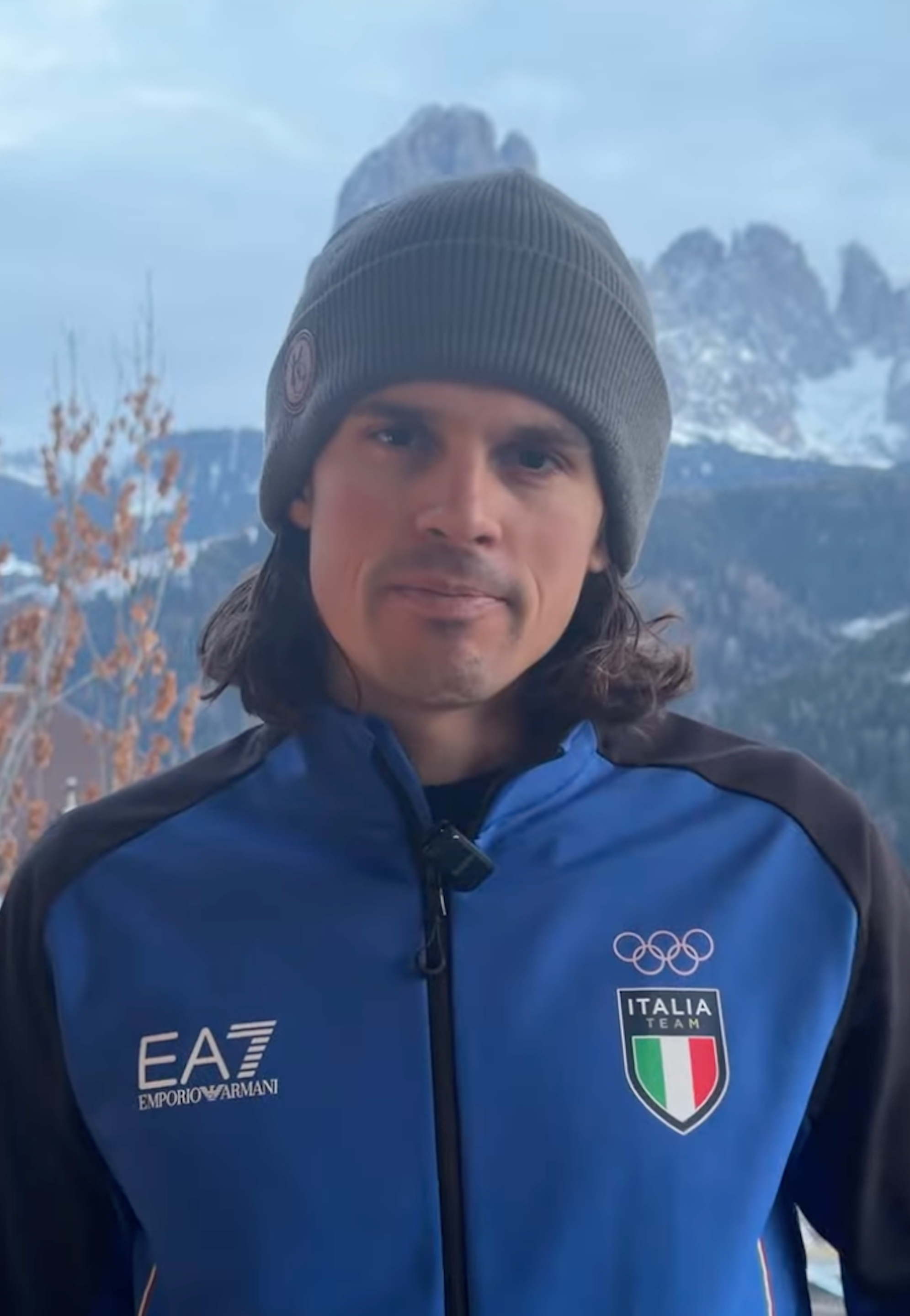
Testimony of Samuel Costa
"For me, sport is a passion, a fundamental part of my life and, moreover, a beautiful school of life that teaches discipline." So says Samuel Costa, Nordic combined athlete. Here is his story:
What is your name and what is your sport?
My name is Samuel Costa and my sport is Nordic combined.
Why did you choose this sport? What is sport for you?
I am fascinated by the combination of ski jumping and cross-country skiing. Up to the age of 15, I only practiced ski jumping, and switching to Nordic combined was a huge risk. Thanks to my coach, Romed Moroder, I was able to take this step, and it was one of the best decisions of my sporting life. For me, sport is passion, a fundamental part of my life and, moreover, a beautiful school of life that teaches discipline.
Tell us a little about your sporting career.
My career has always been on the rise until 2017, when I suffered an injury and an unsuccessful knee surgery. As a junior, I managed to win the overall Alpencup and a team silver medal at the Junior World Championships. In 2017, I was also able to stand on the World Cup podium, but unfortunately in 2018, I had to stay home as my knee was in bad shape. Thank God I have recovered, but in the following years, I struggled to return to high levels in terms of results.
How did you approach challenges in sport and life?
Until 2018, I experienced sport in a very frustrating way. My identity was in sports, and I was highly emotional depending on the course of the races; my mood changed a lot depending on the results. My life was sport, and so everything revolved around it.
When did your life change? And what changed it?
During the injury, I had a lot of free time and I started reading the Bible to convince my sister, who is a believer, that the Bible was not the absolute truth of life. My knee wouldn't heal and, medically, it was very unlikely that I could return to high-level sport again. My sister and her husband prayed for my knee and, thank God, I was completely healed. However, my faith was not yet alive, because I couldn't believe without receiving a clear sign from God. In November 2018, I was able to compete in the World Cup again and, before a race, a friend asked me if I wanted to pray to receive the Holy Spirit. I said yes but without any expectation. During the prayer I started to cry and, at the end, I realized that my life had changed . From that moment a new life in Christ began.
How has the Word of God helped you in your life as an athlete?
The key verse for me in sports is this:
"Peace I leave with you; my peace I give you. I do not give to you as the world gives." John 14:27
Following Jesus we can live in his peace, a peace that nothing in the world can give: not medals, not money, not power, not relationships. Life is full of difficulties, but only by following Jesus and receiving the Holy Spirit can we overcome the darkness of this world thanks to the light that Jesus brings to the world and in us. There are many other Bible verses that have helped me, but they would be too many to mention.
What message do you want to leave to the new generation of athletes?
Have you ever navigated the ocean? Then you know that the ocean cannot be held back. You can try to take the water with your hands, but it will slip away. We do not live for the hands with which we try to take. We live for the vastness of the sea. The sea cannot be owned: we must entrust ourselves to it. So is Christ. Whoever tries to take him loses him. Whoever opens their hands finds life. Faith is not to cling, but to trust. It is not to hold on to the water, but to live immersed in the sea.
"For whoever wants to save their life will lose it, but whoever loses their life for me and for the gospel will save it." Mark 8:35
A Christian Perspective on the 2026 Games
Administration and care of creation
Unity and global community
Testimony and service
Potential pitfalls and ethical issues
Celebration and joy
Administration and care of creation
From a Christian perspective, caring for God's creation is a responsibility (see Genesis 2:15). The sustainability efforts for the 2026 Games, which include renovating existing facilities, building energy-efficient architecture, and minimizing environmental impact, can be considered good stewardship of the Alpine natural environment.
The torch relay's journey through many regions could also be an opportunity to emphasize respect for the environment, community, and equity—themes that resonate with Christian ethics.
Unity and global community
The Games are fundamentally intended to unite nations in peaceful competition, reflecting the Christian ideals of unity and love for one another ("There is neither Jew nor Greek... we are all one in Christ" - Galatians 3:28).
For Christians watching or participating, it is an opportunity to pray for the athletes, celebrate excellence, and build bridges between cultures.
Testimony and service
Christian athletes and spectators can view the Games as a platform for witness, not only in sport but also in moral terms. Qualities such as humility in victory, grace in defeat, teamwork, and discipline are profoundly Christian virtues.
Churches or Christian organizations could organize prayer walks, viewing parties, or small group discussions during the Games, using them as a way to engage the broader community in faith.
Potential pitfalls and ethical issues
Commercialism: The Games are heavily commercialized. Christians may struggle with tensions between the commodification of sport and the virtue of simplicity or purity of motivation.
Idolatry of Sport: There is a risk of elevating sporting achievements to an idol: Christians should maintain perspective, remembering that ultimate value is not found in medals.
Social Justice and Inequality: Major sporting events can highlight wealth disparities. Christians committed to justice could reflect on who benefits from the Games, who is marginalized, and how resources are allocated.
Pressure on Athletes: High-pressure environments can lead to burnout, mental health issues, or unethical behavior. Christians could emphasize prayer, pastoral care, or mentoring for athletes.
Celebration and joy
The Games can be a time of celebration: rejoicing in human creativity, strength, and perseverance is not intrinsically at odds with the Christian faith.
Beauty in Action (which is also the theme of the closing ceremony) can resonate with Christian theology: the idea that the beauty created by God is part of how we glorify Him and that human excellence in sport can reflect God's creativity.
Faith beyond the finish line
Behind discipline, perseverance, and victory, many athletes draw strength from their faith. Explore why Jesus matters to them and how faith can shape a life beyond sport.

Winter games in the snow
Skiing, snowboarding and much more
These are the sports that will participate in the 2026 Winter Games:
Alpine Skiing
Biathlon
Bobsleigh
Skeleton
Luge
Cross-Country Skiing
Nordic Combined
Ski Jumping
Freestyle Skiing
Ice Hockey
Figure Skating
Speed Skating
Short Track
Snowboarding
Curling
Ski Mountaineering (new discipline for 2026)